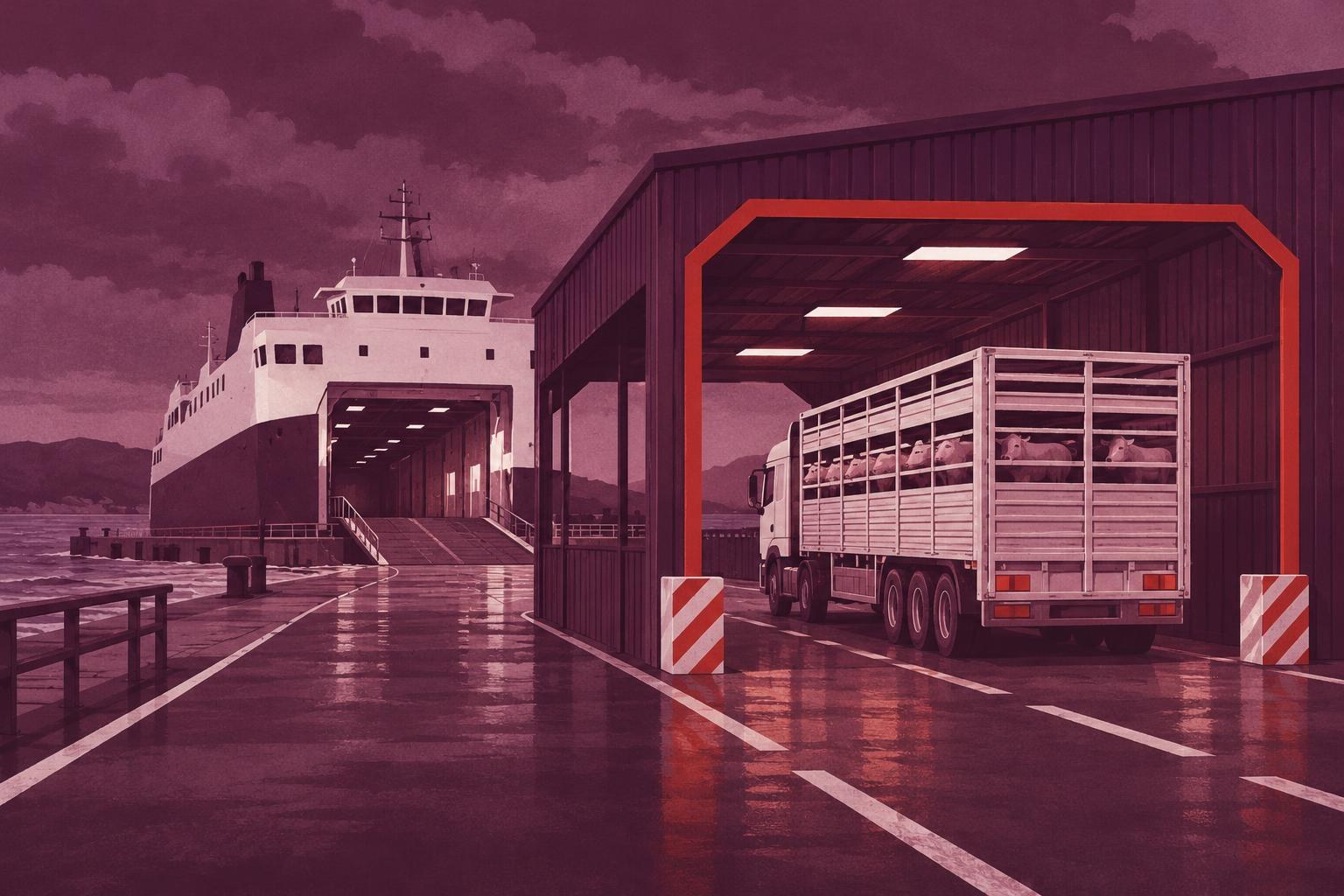
The proposed UK-EU food deal could largely end port checks on whether food sent from Great Britain meets Northern Ireland’s product standards, the BBC reports. Businesses would still have to make customs declarations, and a mistake could still delay a delivery. Livestock checks that predate Brexit would also continue.
The BBC expects the two sides to reach agreement when Prime Minister Andy Burnham meets European Commission President Ursula von der Leyen in Brussels on 20 November. Since Brexit, Northern Ireland has continued to follow EU rules on food so that goods can cross the Irish land border without checks. Great Britain has not followed the same rules, which is why food sent across the Irish Sea faces checks instead.
Under the proposal, Great Britain would follow the same EU food standards as Northern Ireland. For a retailer, one visible result would be that food arriving from Great Britain would no longer need a “Not for EU” label. Customs declarations serve a different purpose: they allow officials to check whether the correct tariffs have been paid. Common food standards would not settle that question.
Northern Ireland’s economy minister, Caoimhe Archibald, welcomed the prospect of fewer barriers for businesses. Separately, three unionist parties criticised the UK government for declining to block an update to the EU customs rules that apply in Northern Ireland. The distinction matters for judging the deal: it could remove a check that complicates stocking shop shelves, while leaving the supplier responsible for getting the customs paperwork right.
Sources
- BBC UK · Source date: 2026-11-20
Independent editorial content. WUA is not affiliated with any political party. 2026-11-20