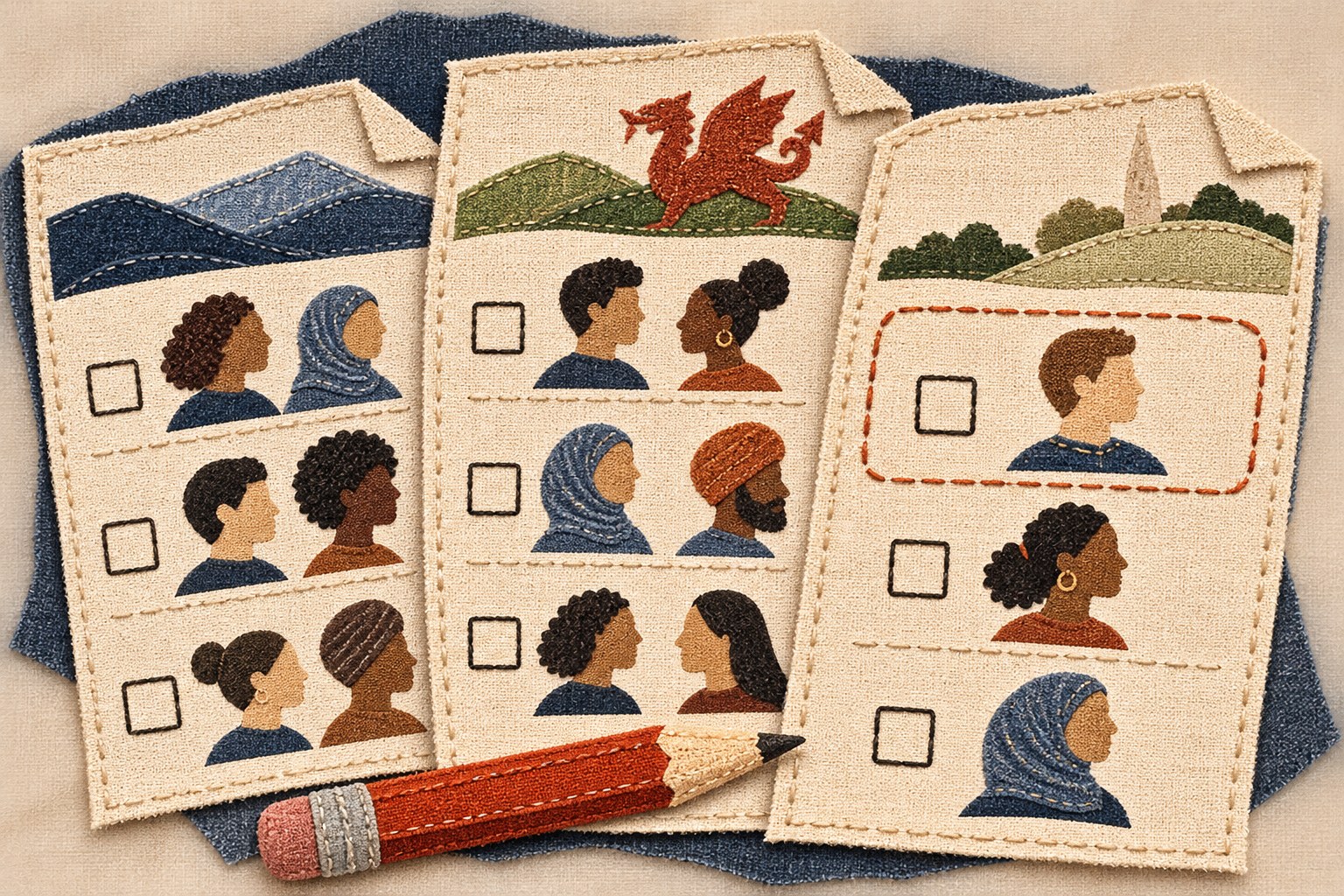
Josh Babarinde’s proposed census bill addresses a specific design flaw: England’s ethnic-group question currently offers “English” only within the White category, while people in other categories can choose British identities but not an English one. His proposal would allow respondents in every category of a future England census to identify as English.
That is a sensible change in principle. A census should record how people describe themselves; it should not make an English identity structurally available to some ethnic groups and unavailable to others. The proposal does not settle the meaning of Englishness, nor does it require anyone to claim it. It would simply remove a restriction embedded in the current form.
The contrast with other parts of the UK makes the case clearer. The Guardian reports that Scotland and Wales already include options such as “Scottish Asian” and “Black Welsh”. England’s form instead places “English” inside the White category. That design can force respondents to choose between an ethnic classification and a national identity they may regard as equally their own.
The bill has cross-party backing from figures including David Lammy, James Cleverly, Mark Pritchard and Layla Moran. It is also presented as a response to arguments that minority-ethnic Britons cannot be ethnically English. But the stronger case for reform does not depend on winning an identity argument in Parliament. It rests on a practical rule for public statistics: categories should not pre-empt respondents’ own accounts of who they are.
There is an important limit. Babarinde is due to table a 10-minute rule bill on Tuesday, and such bills rarely become law, according to the report. The supplied material does not include the bill’s full text, the government’s position, or a response from the Office for National Statistics. This is therefore a proposal for a future census, not a change already made to the questionnaire.
The next test is whether ministers and the ONS treat the anomaly as a question of accurate data collection rather than a proxy battle over who is entitled to belong.
Sources
- The Guardian · UK · Source date: 2026-11-09
Independent editorial content. WUA is not affiliated with any political party. 2026-11-09