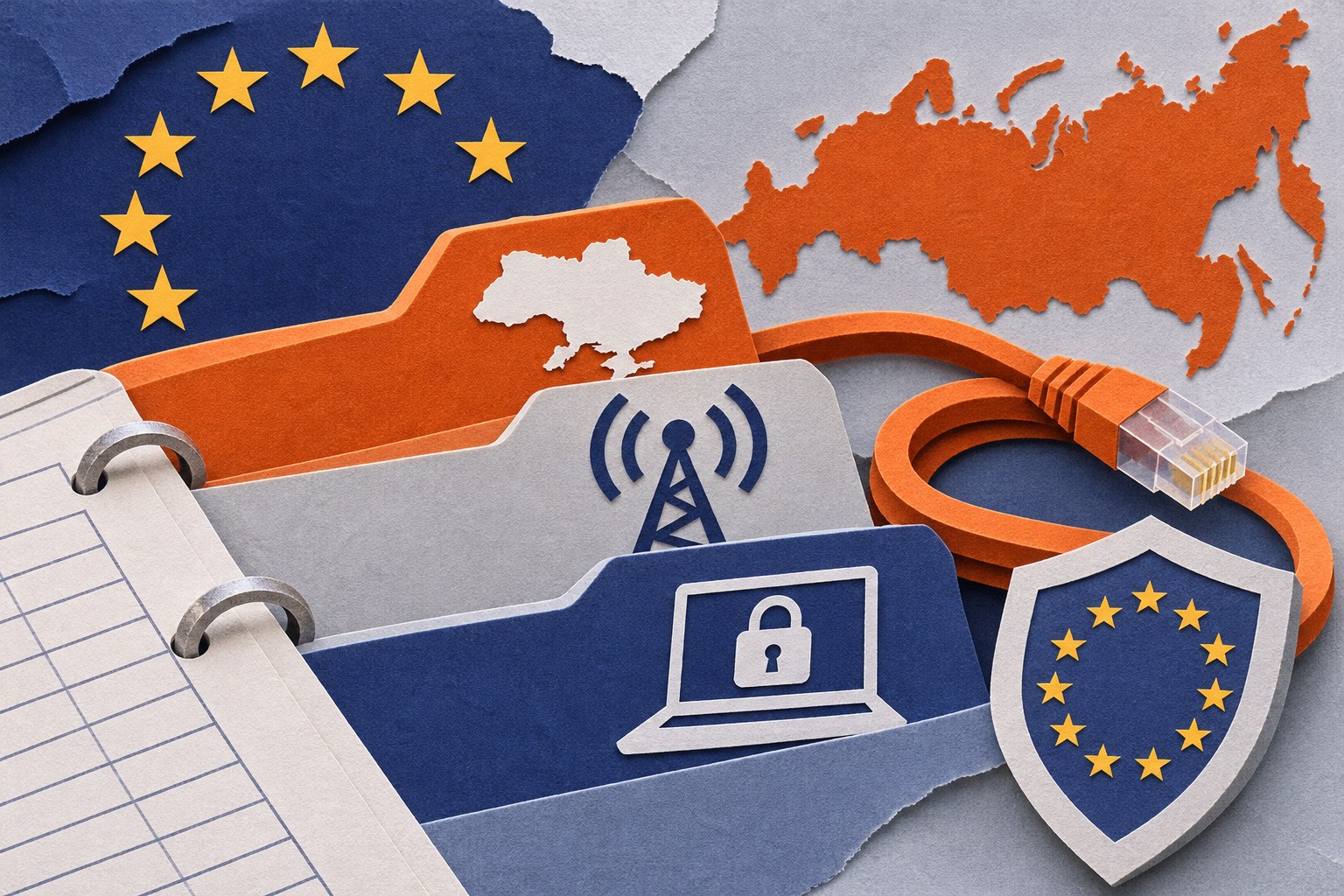
EU ambassadors have reportedly given preliminary backing to a new Russia sanctions list covering 145 people and entities. Its most consequential reported feature is the inclusion of 50 Russian banks among 101 entities in the Ukraine-related section of the package.
That is a meaningful move toward targeting identifiable Russian structures rather than issuing another broad political warning. But the sanctions should not yet be described as in force. Ambassadors reached their preliminary agreement in Coreper on 11 November; the EU Foreign Affairs Council is due to take the final decision in Brussels on 16 November.
According to the EU diplomat cited by European Pravda, the Ukraine-related list would add 12 people and 101 entities. A further 30 people and one entity would be listed under the EU regime addressing Russia’s hybrid activities, while one more entity would be listed under the EU cyberattack sanctions regime. The report also says companies said to assist Russia’s shadow fleet are due to be included.
Bringing war-related conduct, finance, cyber activity and hybrid operations into the same round underlines the EU’s wider view of the pressure Russia applies beyond the battlefield. Yet the report does not name the banks, set out the restrictions they would face, or explain how any new measures would interact with existing sanctions. Those details matter more than the headline number when assessing practical effects.
There is a reasonable case that a Coreper agreement signals strong political convergence and makes final adoption likely. Even so, the legal distinction is material: until the Council acts, this is a reported preliminary package rather than a new set of applicable restrictions. The Council’s decision will determine whether the reported scope remains intact and what obligations the listings create.
Sources
- Українська правда · Source date: 2026-11-11
Independent editorial content. WUA is not affiliated with any political party. 2026-11-11