Elisabeth Svantesson’s transitional budget shows that the absence of a government does not put every spending priority on hold. Reporting says the package largely resembles the 2026 budget framework, yet it includes specific departures and continued growth in military rearmament.
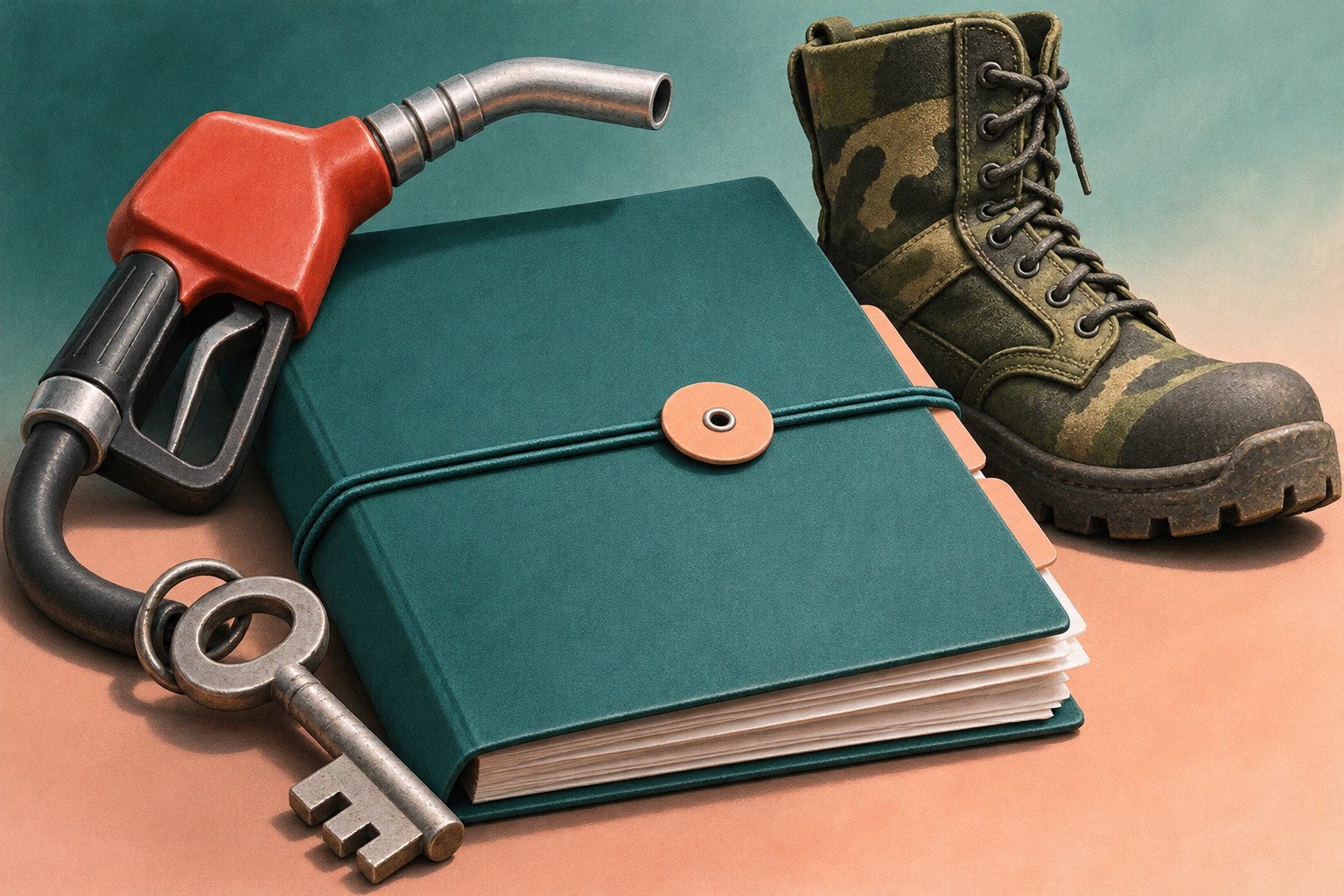
Svantesson presented the budget on Thursday while Sweden still has no government. SVT has described a transitional budget as one without partisan new initiatives. But SVT also reports that the package includes more expensive diesel, funding for a royal celebration and prison places. Dagens Nyheter reports that military rearmament continues to increase even though most of the budget resembles the 2026 plan.
That makes the label “transitional budget” more consequential than it first appears. A budget may limit the scope for a new political direction while still making choices that shape state priorities. Retaining or altering expenditure is itself a choice, particularly on defence, prisons and measures affecting diesel costs.
The available material does not, however, support describing this as a wholly new economic programme. SVT’s account of strict rules and no partisan new investments points to a constrained framework. The excerpts do not provide amounts, funding mechanisms, legal grounds or a full account of how the measures differ from the 2026 budget.
The sound conclusion is that the transitional budget primarily maintains continuity, but continuity carries priorities forward in practice. When the full budget material is available, the relevant scrutiny will be which exceptions were made and on what basis.
Sources
- SVT Nyheter · Source date: 2026-11-12
- SVT Nyheter · Source date: 2026-11-12
- Dagens Nyheter · Source date: 2026-11-12
Independent editorial content. WUA is not affiliated with any political party. 2026-11-12