Spain’s first economic election debate set out sharply different promises on housing, pensions and taxation. Yet the decisive weakness was shared by much of the exchange: several headline proposals arrived without a published funding model, delivery mechanism or timetable. Those omissions matter more than campaign soundbites when the proposals are presented as answers to major social pressures.
La Sexta hosted the debate on 13 November, about 24 hours after the official campaign began. Participants were Economy Minister Carlos Cuerpo for the PSOE, Juan Bravo for the PP, Vox parliamentary secretary-general José María Figaredo, and Social Rights Minister Pablo Bustinduy, the campaign spokesperson for Frente Amplio, elDiario.es reported.
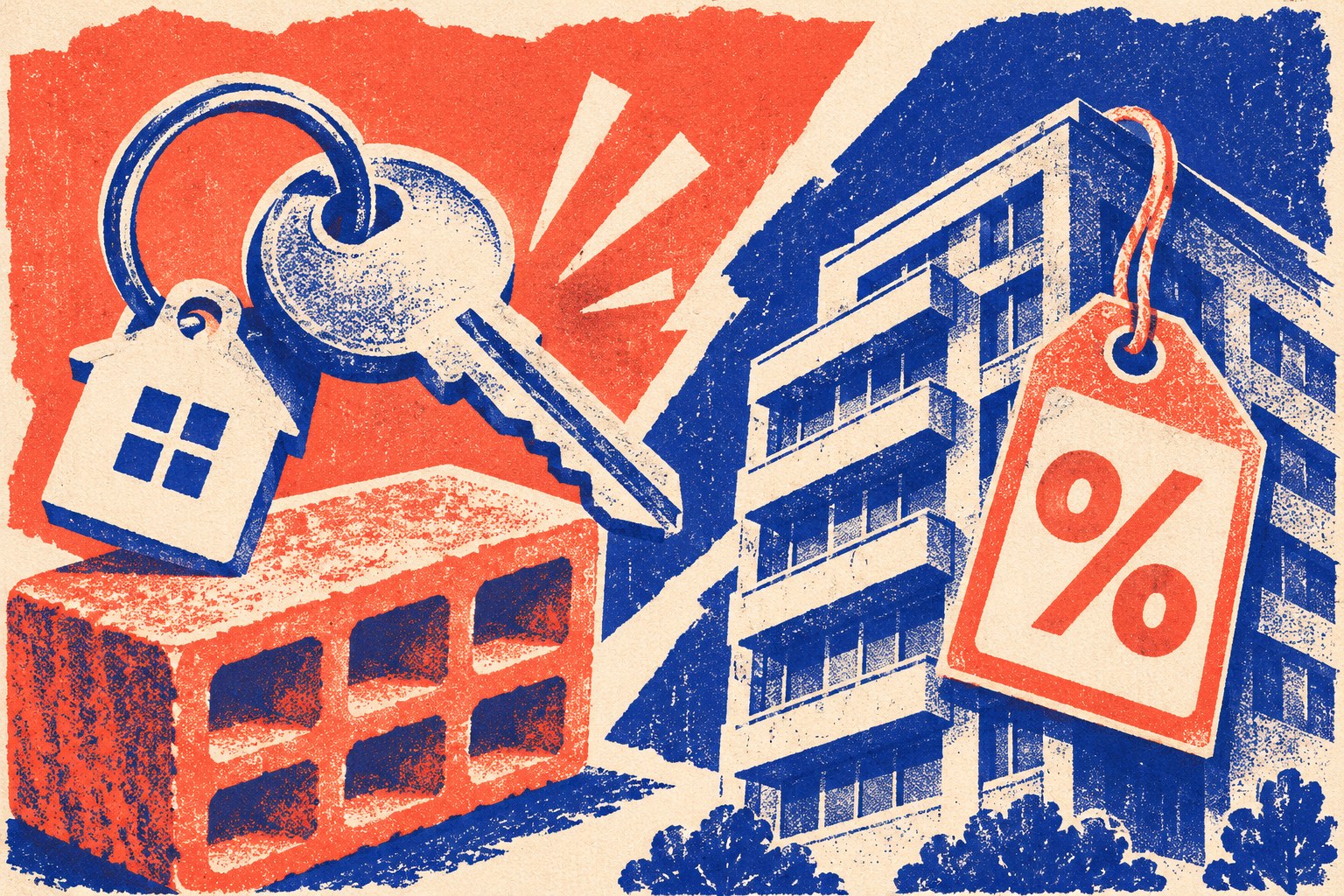
On housing, Bravo made the construction of one million homes his central proposal, saying 40% would be public housing. It is a measurable pledge, but the account of the debate did not set out how it would be delivered. Bustinduy, meanwhile, proposed a 10% levy on the value of each home held by investment funds from their tenth property onward. The divide is not merely rhetorical: one approach focuses on expanding supply, while the other seeks to raise the cost of accumulating homes for investment.
Pensions produced another clear conflict. PP and Vox said they would preserve indexation to inflation, although elDiario.es cited earlier votes against the 2021 reform that restored that rule in law and against annual increases. Vox again challenged the system’s sustainability, and Figaredo referred to a mixed system with individual capitalisation. The debate did not provide a detailed transition plan or distributional assessment for such a change.
Tax policy split the field as well. PP and Vox argued for tax cuts; PSOE and Frente Amplio emphasised social protection and greater contributions from wealthy owners and investors. The campaign now has a visible map of competing priorities. Voters still need the documents that make a promise assessable: legislation, budgets, timelines and enforceable consequences.
ElDiario.es also reported discussion of a rail white paper, but the supplied material provides no detail on its contents.
Sources
- elDiario.es · Source date: 2026-11-13
- elDiario.es · Source date: 2026-11-14
Independent editorial content. WUA is not affiliated with any political party. 2026-11-14