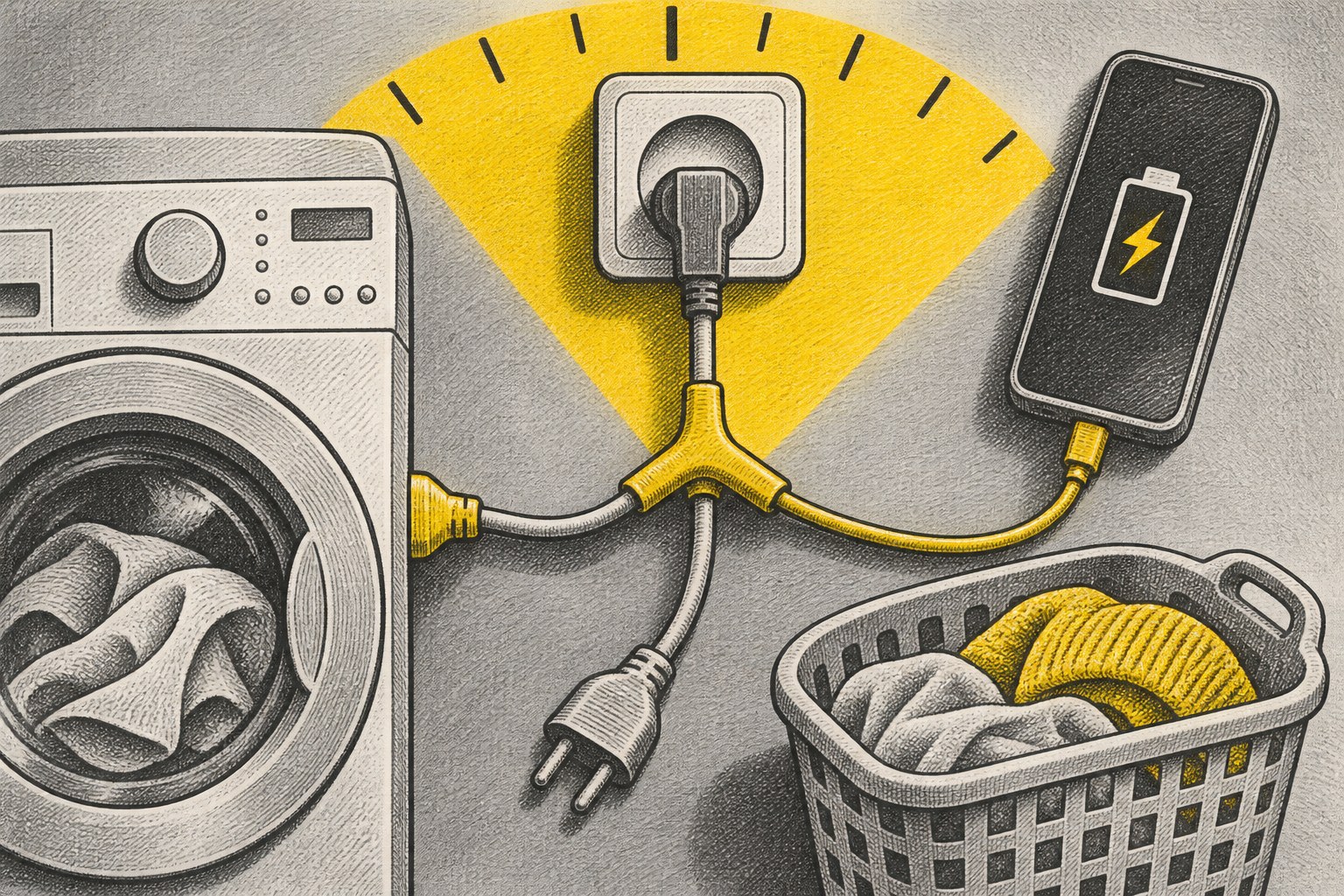
The winter power cuts described in Kyiv are not merely an infrastructure story. They turn time itself into a household resource. Der Spiegel reports that the Babytsch family must fit ordinary tasks into unpredictable periods of electricity: washing clothes, charging phones and even organising trips outside with the dog.
The significance is not limited to any one inconvenience. When power arrives without a dependable rhythm, routine loses its structure. A household must decide what to do first during a short available window, whether that is laundry or charging devices. As winter approaches, that disruption reaches beyond comfort and into the basic organisation of daily life.
Der Spiegel presents Russia’s systematic destruction of Kyiv’s energy supply as the background to the family’s situation. Its report documents one household’s experience; it does not establish a single condition across the entire city. The supplied material gives no figures for the number of people affected, no outage schedule and no repair timetable.
That limit should sharpen, rather than soften, the point. Infrastructure attacks are often discussed in technical or strategic language. This account shows their domestic consequence: ordinary necessities are forced into narrow, uncertain intervals. The broader military and political stakes remain central, but families encounter them through the immediate question of whether the power will last long enough for what needs doing.
Sources
- Der Spiegel · Source date: 2026-11-14
Independent editorial content. WUA is not affiliated with any political party. 2026-11-14