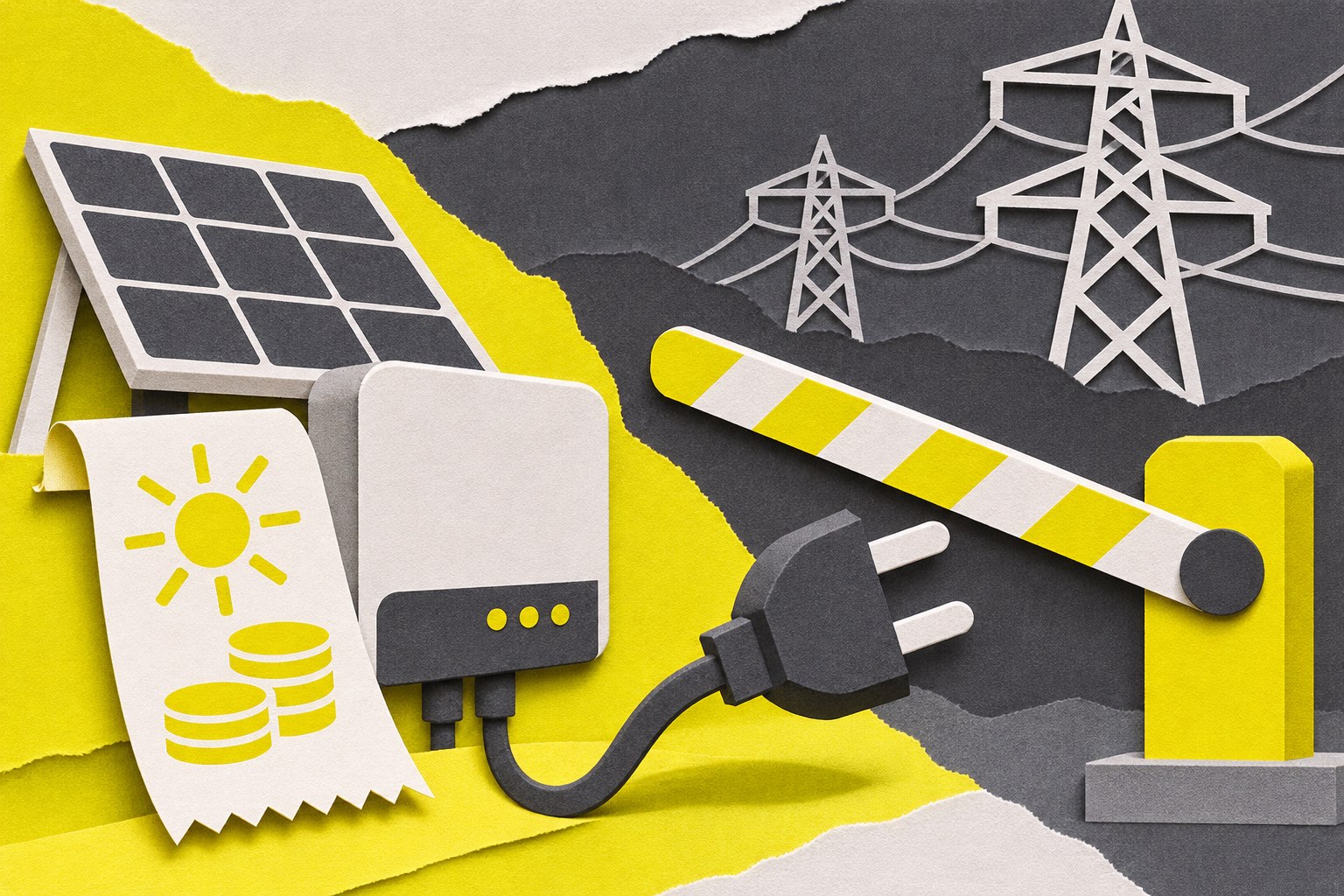
Germany’s coalition negotiators appear to be pulling back from a planned exit from feed-in tariffs for small solar systems. According to a report based on SPD accounts of the talks, energy specialists from the SPD and the conservative Union parties have reached a technical agreement to keep the tariff for systems of up to 25 kilowatts.
That would soften a major element of Economy Minister Katherina Reiche’s July draft. It proposed that new systems below 25 kW should lose permanent support from 2027, receive lower payments for a three-year transition and then sell electricity on power markets. Retaining the tariff would preserve a more predictable return for households feeding rooftop solar power into the grid.
But the reported agreement is not a completed reform. SPD parliamentary deputy leader Armand Zorn said the specialists had reached a technical agreement on the EEG amendment. His Union counterpart, Sepp Müller, said any understanding on individual issues remained conditional on agreement over the full energy package. The rules for connecting new solar and wind projects remain the central dispute.
Those unresolved rules matter as much as the tariff. Reiche wants renewable expansion and grid expansion to be coordinated more closely to reduce costs, including by limiting compensation for new wind and solar systems that must be curtailed during threatened grid congestion. The SPD, Spiegel reports, favours limiting permitted feed-in capacity below a system’s potential peak output. That could reduce grid-expansion needs, but it does not settle the wider package.
There is a substantive case against permanent fixed payments: supporters of a phase-out argue that new rooftop systems with high self-consumption can pay for themselves without support, while the federal budget bears the difference when fixed payments exceed market value. Still, it would be premature to present the tariff concession as the finished EEG reform. The key choice for household projects and system costs remains tied to the unresolved grid and energy-package negotiations. Zorn said negotiators aim to complete the energy legislation in the coming weeks for the Bundesrat session on 18 December.
Sources
- Der Spiegel · Source date: 2026-11-15
Independent editorial content. WUA is not affiliated with any political party. 2026-11-15