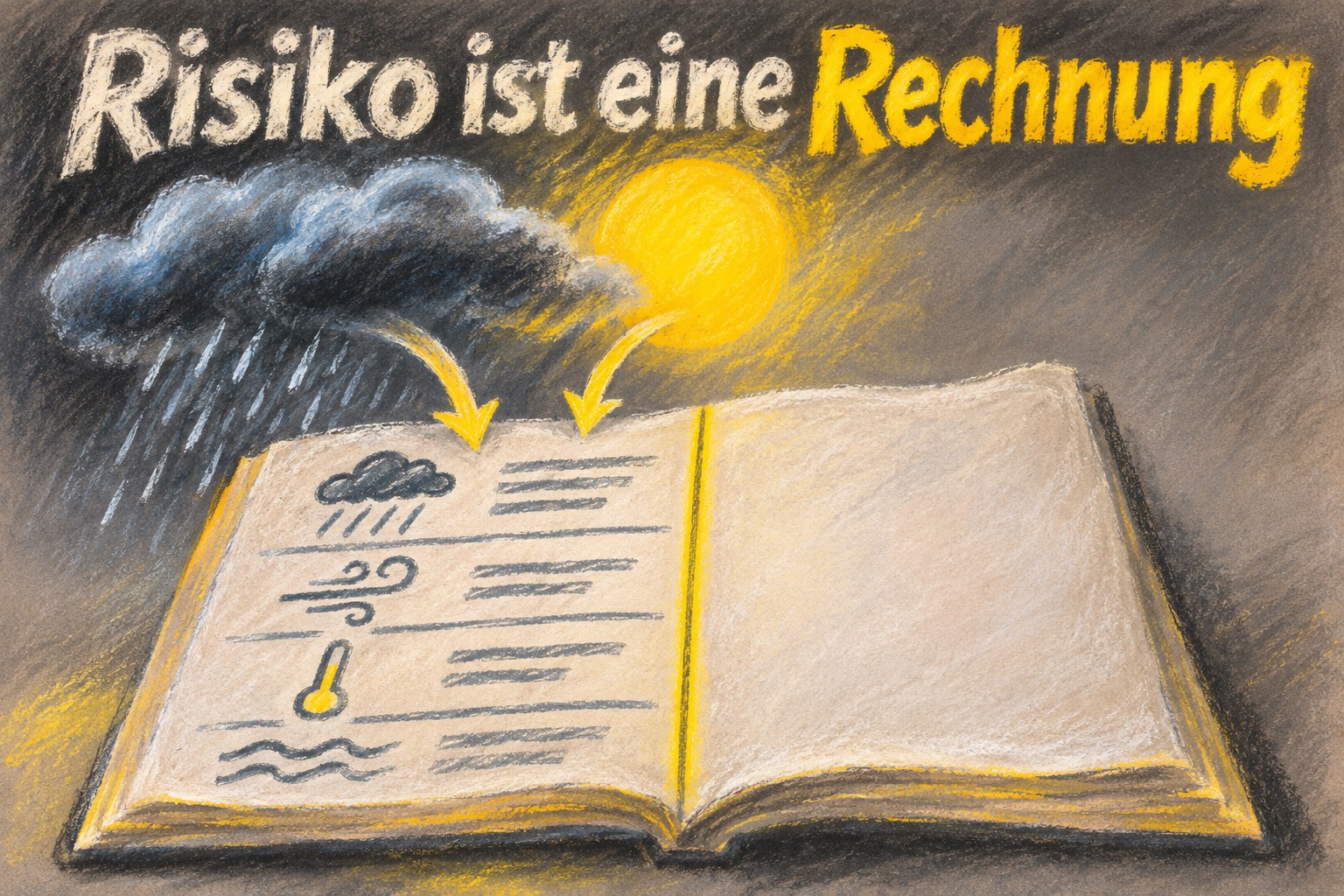
Germanwatch’s new Climate Risk Index puts a long-term German toll into a form that demands public attention: the organisation says extreme weather caused more than 33,000 deaths in Germany between 1996 and 2025, alongside inflation-adjusted material losses of $133 billion. Germany ranks 34th, placing it in the most affected quarter of countries covered.
That matters because heat, floods and fires in Germany are often discussed as separate episodes. The index instead aggregates three decades of impacts. Its central value is to show that extreme weather is not only an abstract global threat; it has accumulated as recurrent human loss and public cost inside Germany.
The figures are not, however, a calculation of how much climate change caused each individual death or each loss. The report’s authors stress, as SPIEGEL reports, that the assessment cannot establish this clearly from its aggregate data. The index records documented consequences of weather extremes; it is not event-by-event climate attribution research.
That boundary should prevent false precision, not invite complacency. Germany’s high position over 30 years is a strong reason to treat preparedness, adaptation and the cost of recurring damage as enduring public responsibilities. Treating the findings merely as a warning about distant places misses what the German figures say.
Germanwatch plans to present the assessment at the UN COP31 climate conference on Tuesday. The reported material provides a national total, rather than a breakdown by German region, year or weather hazard. Source: SPIEGEL, https://www.spiegel.de/wissenschaft/klimakrise-extremwetter-forderte-seit-1996-mehr-als-900-000-todesopfer-a-5729e7d1-7d52-4611-b870-0abbf11c3116
Sources
- Der Spiegel · Source date: 2026-11-17
Independent editorial content. WUA is not affiliated with any political party. 2026-11-17