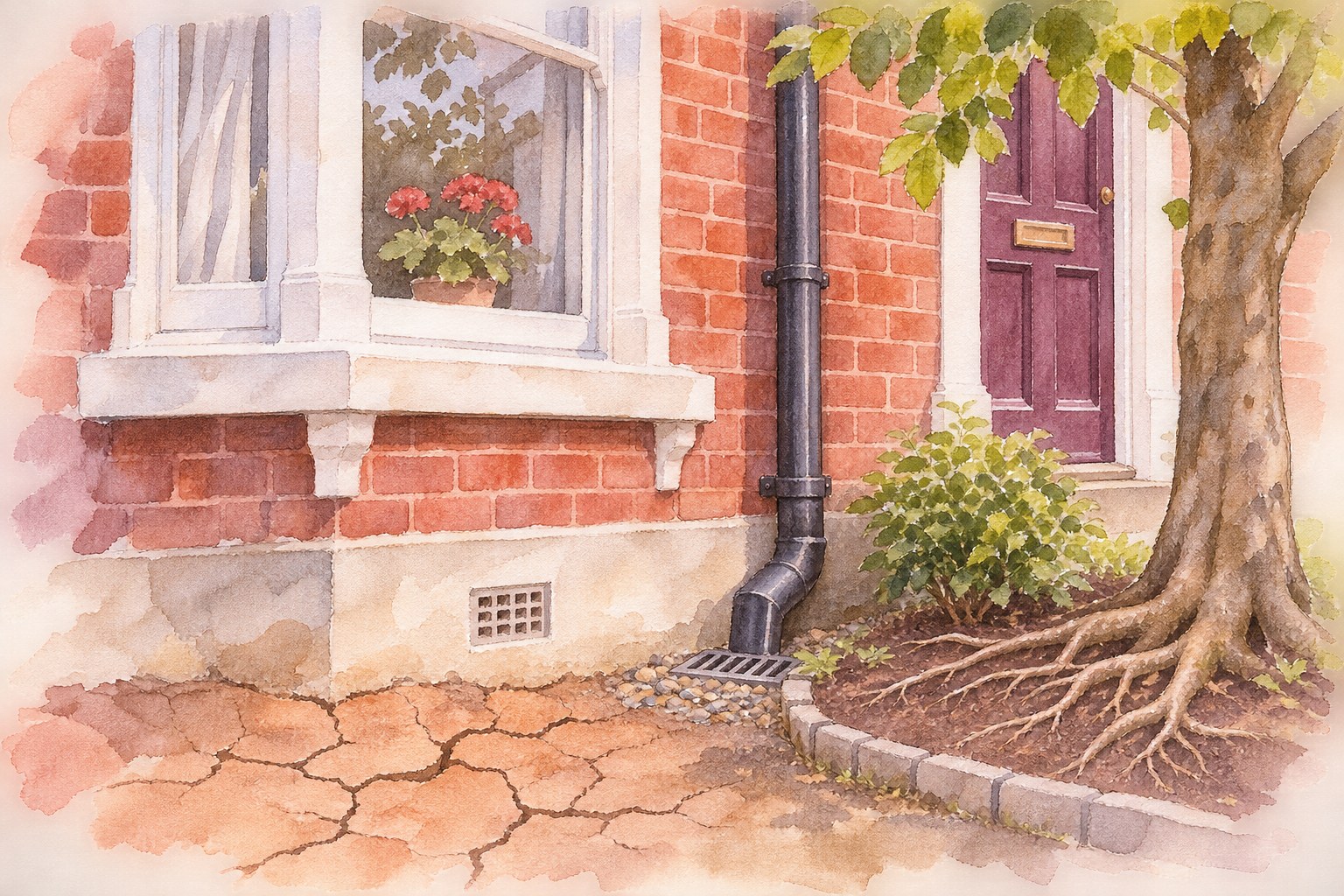
Aviva’s report of a subsidence-claims peak after the hot summer shows that heat-related housing risk is reaching insurers’ books. It also exposes a gap: homeowners still lack comparable information on where claims are rising, how severe the damage is and what that means for local exposure.
Aviva said it experienced a peak period for subsidence claims between July and September, with claims continuing into October. The company did not disclose the number or value of those claims. Its statement follows Hastings Direct’s report that its August subsidence claims reached a record, 140% above a year earlier. Axa has described 2026 as a “surge year” for subsidence, according to The Guardian.
The mechanism is credible and familiar. Prolonged dry weather can make soil contract beneath buildings; wetter conditions can then cause it to expand again. That movement can contribute to cracks, uneven floors and misaligned doors or windows. But a plausible mechanism is not a map of individual risk. The supplied reporting does not identify Aviva’s affected areas or establish that hot weather was the sole cause of every claim.
The available industry figures underline why disclosure matters. The Association of British Insurers said the average domestic subsidence claim reached £20,000 between April and June, more than £2,000 higher than a year earlier. Domestic subsidence payouts were £72m in that period, against £60m a year before. Those figures show costly pressure, but they do not tell a household whether its area or property type is facing a higher likelihood of a claim.
Insurers can reasonably point out that exposure varies with soil, foundations, drainage, trees and maintenance. That is precisely why broad climate warnings are inadequate. Aviva and the wider industry should publish consistent figures on claim volumes, costs and broad regional patterns. Without them, homeowners are asked to manage a growing physical risk with only fragmented corporate signals.
Sources
- The Guardian · UK · Source date: 2026-11-13
Independent editorial content. WUA is not affiliated with any political party. 2026-11-13