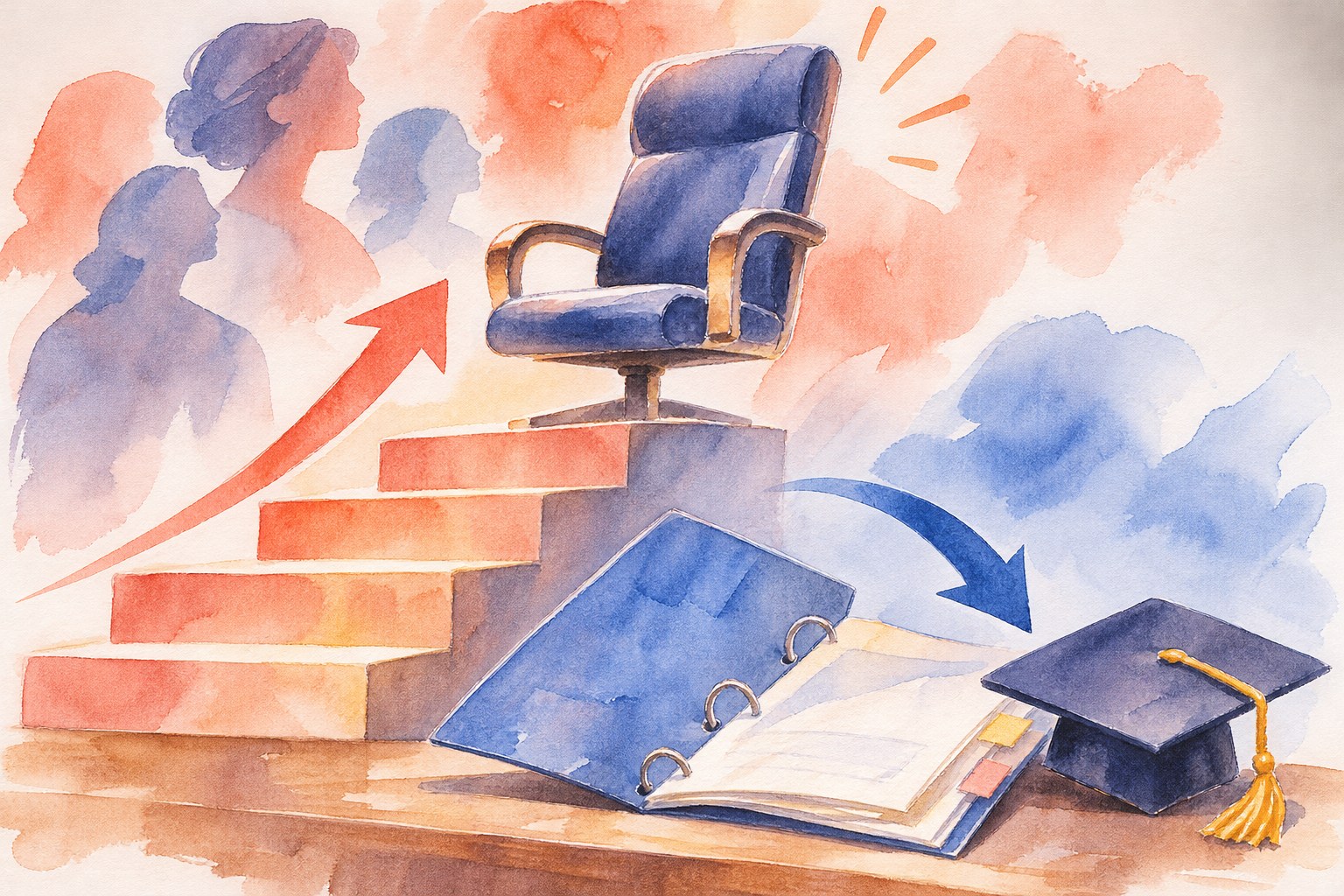
Spain ranks fourth in the latest EIGE Gender Equality Index, with 73 points out of 100, elDiario.es reported on 17 November. The same report puts a sharp limit on any triumphal reading of the result: 56% of women spend more than 35 hours a week caring for minors, compared with 29% of men.
elDiario.es attributes much of the overall improvement to the increased number of women in positions of power. Greater representation is a substantive gain. But a ranking lifted by progress at the top does not settle how evenly the time needed to sustain households is shared.
The care figures describe a large gender difference in intensive care for minors. The available report does not specify the survey population, age range or period behind that measure, so it cannot explain why the gap exists. Its scale nevertheless makes unpaid care central to the meaning of Spain’s fourth-place result, rather than a footnote to it.
The report also says Spain’s education score has fallen by 4.4 points since 2020. No causal explanation follows from the supplied material. Still, a headline score that rises alongside a reported education setback and a heavily unequal care burden calls for a broader test of equality than representation alone.
Spain’s 73-point score and fourth-place position mark progress. The more demanding lesson from the same EIGE report is that equality must be read through the distribution of time as well as access to power: who can take paid work, study or rest, and who routinely carries intensive unpaid care.
Sources
- elDiario.es · Source date: 2026-11-17
Independent editorial content. WUA is not affiliated with any political party. 2026-11-17