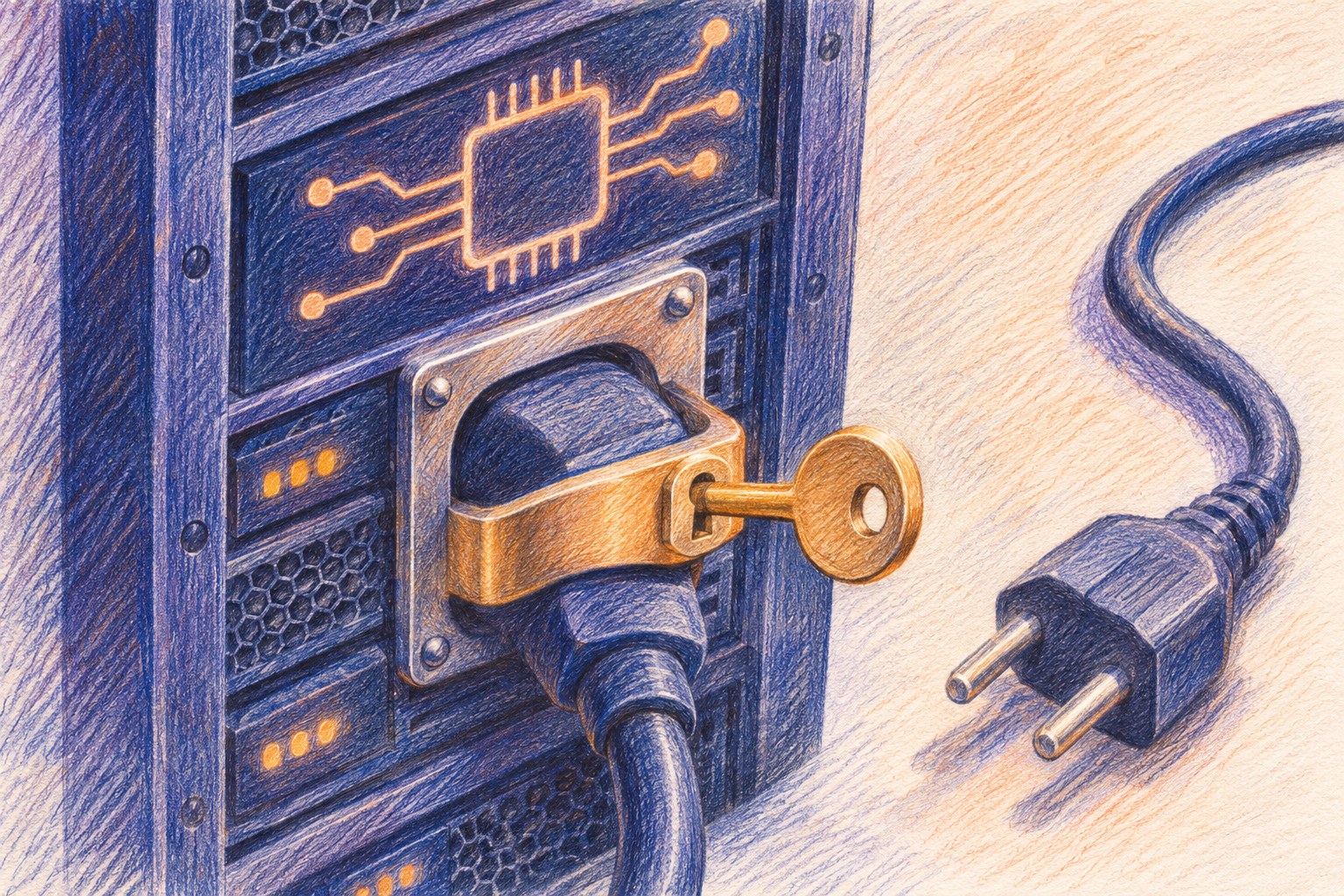
At the first European Union summit devoted to artificial intelligence in Dublin on 13 November, Arthur Mensch and Emmanuel Macron put technological sovereignty at the centre of the debate. Their shared message was that Europe should not merely regulate AI; it should retain the ability to develop and control it. The material available, however, describes calls for action rather than a jointly agreed EU measure.
Mensch, the head of Mistral AI, urged Europe to “act now” before leaders of the 27 member states. He said decisions made over the next two years would shape the sector for the following decade. His warning frames an industrial question: choices about infrastructure, companies able to build models, and the conditions for deployment could determine how much control Europe retains.
Macron made the political case. By again highlighting French company Mistral AI, he argued for “sovereign AI” and said Europe’s independence cannot be outsourced. His intervention casts the company as an example within a broader strategy: Europe should sustain its own skills and technologies rather than rely entirely on outside providers.
That alignment should not be mistaken for an adopted programme. The supplied reports mention no new funding instrument, timetable, regulatory change or EU public-procurement commitment. The claim that Europe has the talent, energy and technology is a political and industrial assessment voiced by Mensch and Macron, rather than a demonstrated conclusion in the available reporting.
The Dublin summit nevertheless shows how the argument is shifting. The issue is no longer only whether Europe should compete in AI, but who will control the decisive capabilities behind it. The credibility of the sovereignty agenda will depend on the specific decisions European governments and institutions make public next.
Sources
- franceinfo Tous titres · Source date: 2026-11-13
- BFMTV Actualités · Source date: 2026-11-13
Independent editorial content. WUA is not affiliated with any political party. 2026-11-13