At COP31 in Antalya, the Italian Institute of Technology presented a set of tangible environmental research projects: self-moving BioHybrid Seeds, edible rechargeable batteries and antioxidant materials intended to help corals withstand heat stress. The showcase is useful because it ties climate action to specific technical problems. It should not, however, be mistaken for evidence that the projects are ready for broad deployment.
BioHybrid Seeds are small bio-inspired robots that, according to la Repubblica, respond to humidity, move without batteries and can place themselves in soil when conditions are suitable. Their stated purposes include reforestation, biodiversity and collecting information on soil health. That makes them a focused response to the practical challenge of reaching and reading difficult ground, rather than a general claim to restore ecosystems.
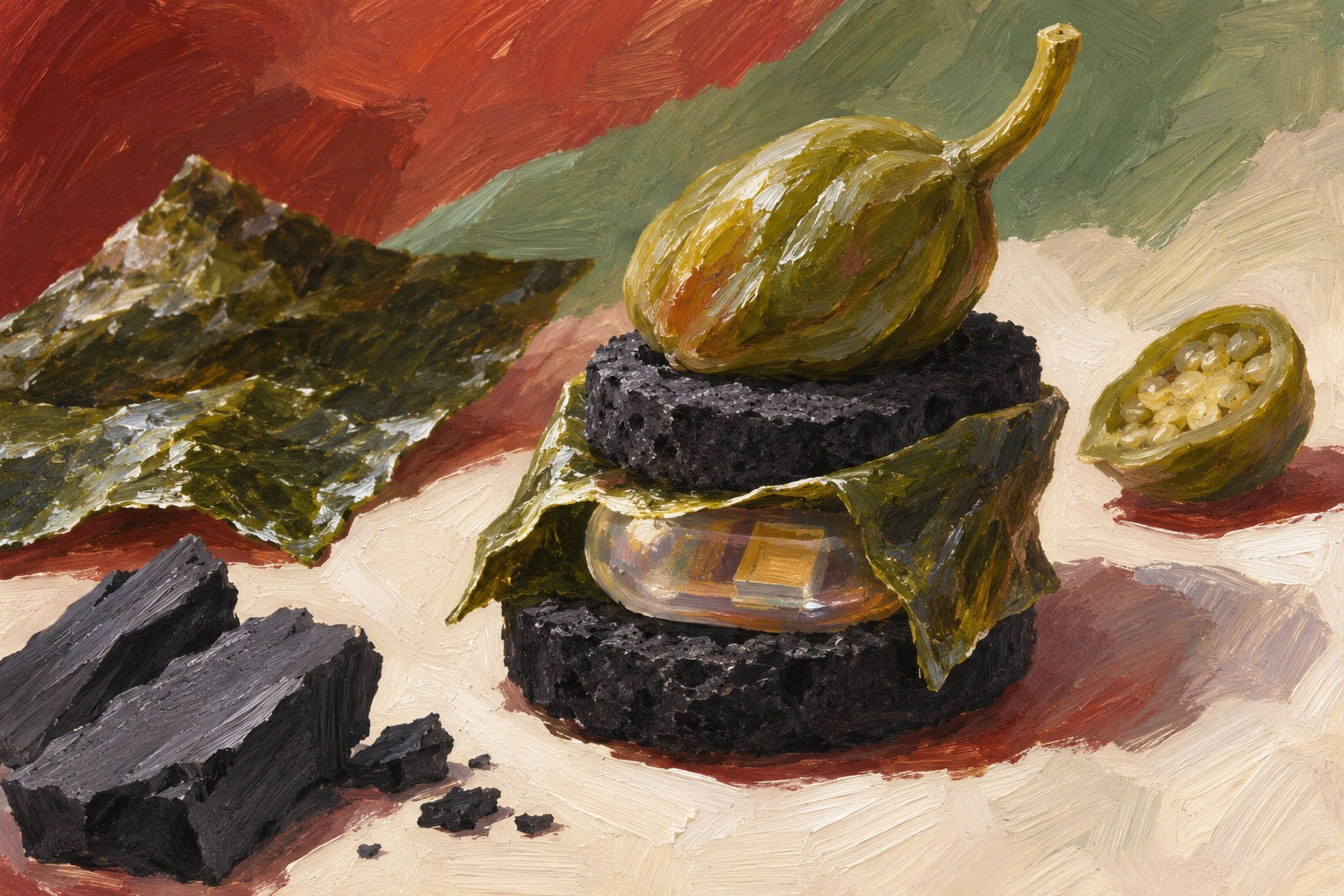
The edible rechargeable battery addresses another problem. IIT says it is made from food waste and other food-derived materials, including caper waste, nori seaweed and vegetable charcoal. It is designed for small edible sensors that could be used in food preservation or non-invasive medical diagnostics. Its environmental relevance lies in reducing the disposal burden of very small devices, not in replacing conventional batteries across the economy.
For coral reefs, IIT deputy scientific director Athanassia Athanassiou said the institute is conducting experiments in Liguria and the Maldives with antioxidant materials designed to shield corals from heat stress. The link to bleaching is evident, but the supplied report gives no independent results, cost estimates, durability data or indication that the approach can operate at the scale of marine heatwaves.
That distinction is central to the COP31 presentation. These projects deserve attention because each connects a recognisable tool to a defined environmental pressure. But prototypes and experiments are not yet deployable climate remedies. Performance evidence, external testing and realistic production conditions will determine whether they move from an exhibition of promising research to tools with measurable environmental value.
Sources
- la Repubblica · Source date: 2026-11-11
Independent editorial content. WUA is not affiliated with any political party. 2026-11-11