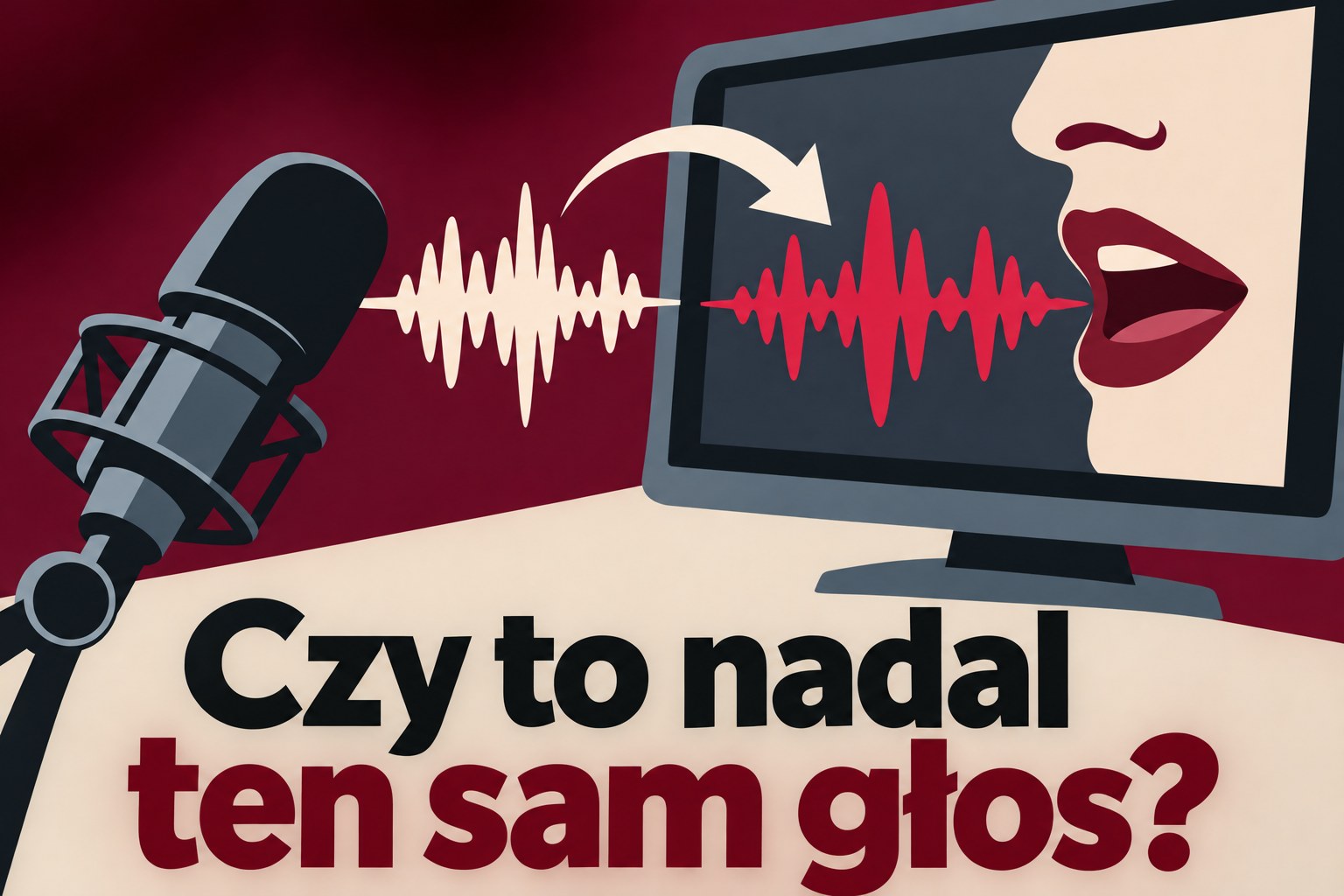
Microsoft has filed a US patent application describing an AI system that could replace a speaker's words in recorded video or a live stream within seconds, while adjusting lip movements to fit. The central issue is not only whether that editing can work. It is whether speakers and viewers would be able to tell that the message has changed.
According to Nauka w Polsce, the application describes an AI agent that analyses audio, selects words according to set parameters and a viewer profile, then generates revised audio and video around the altered passage. The stated delay is one to ten seconds, within the range used for live television broadcasts.
The described uses include removing filler words and slips of the tongue, filtering language treated as offensive, live translation, and altering claims the system considers false or misleading. Microsoft’s rationale, as reported, is that correcting video imperfections currently requires specialised tools and skilled technicians.
Those possible uses do not remove the transparency problem. The report says the application does not mention obtaining the speaker’s consent or notifying viewers that footage has been modified. Keeping an original recording as a reference, which one claim reportedly contemplates, does little for a viewer receiving only the altered version.
A published patent application is not a deployed product. The application was filed last year and published on 29 October. Nauka w Polsce also reports that a USPTO examiner rejected it in an initial assessment, a common stage after which applicants may amend their filings. The supplied reporting does not establish that Microsoft will commercialise or deploy the system.
Still, the filing matters because it places speech alteration near the timing of ordinary live media. Tools for correcting errors, translating speech or moderating language may have legitimate uses. But when edited words and convincing lip movements can arrive before a live audience has moved on, clear disclosure of the alteration and meaningful speaker consent should be built into any deployment from the outset.
Source: Nauka w Polsce / Fundacja PAP.
Sources
- Nauka w Polsce · Fundacja PAP — Źródło: Nauka w Polsce (Fundacja PAP) (https://naukawpolsce.pl/) · Source date: 2026-11-10
Independent editorial content. WUA is not affiliated with any political party. 2026-11-10