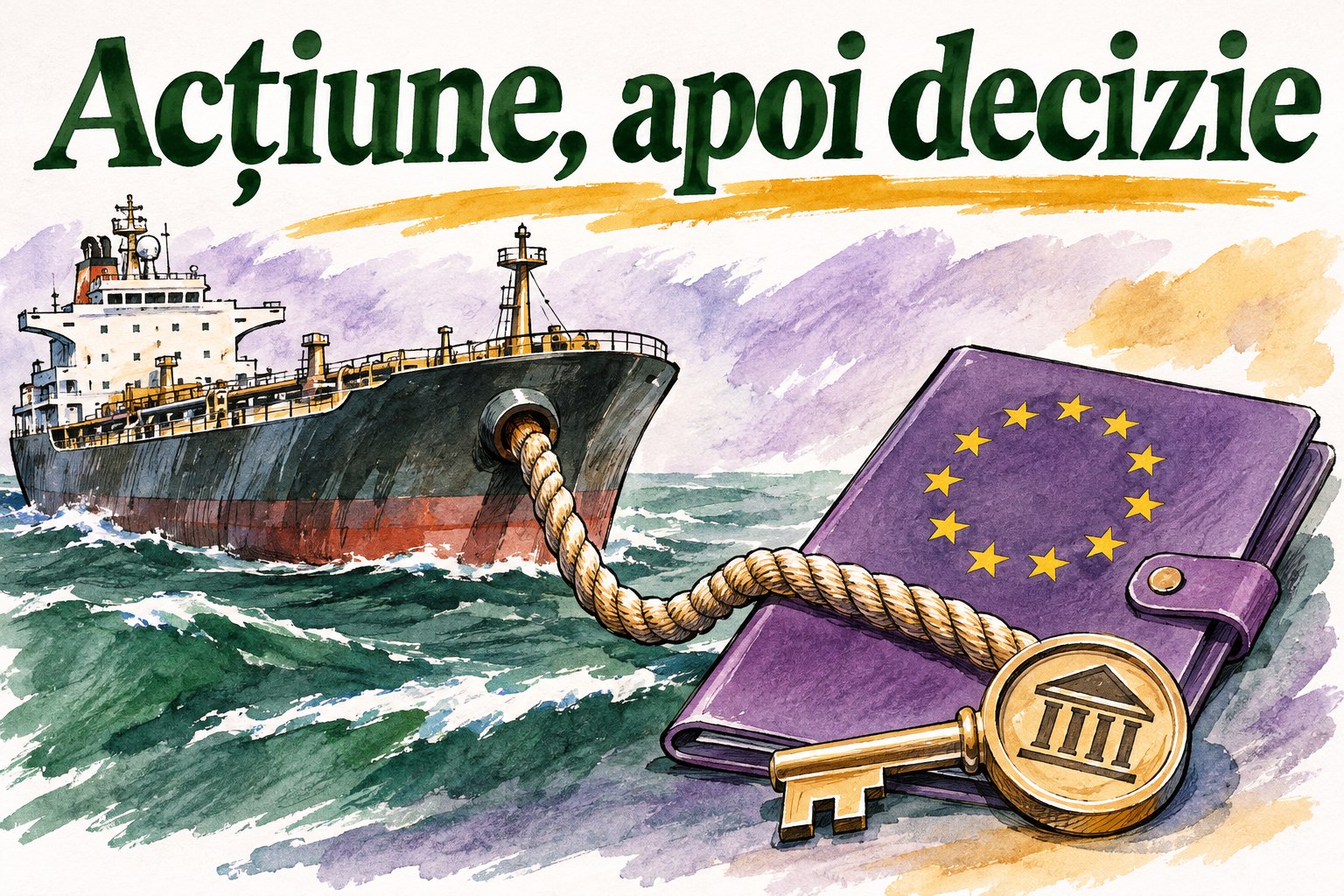
Operation Irini personnel boarded the tanker MV Midag in the Mediterranean on Friday, and Kaja Kallas said checks found that it was sailing under a false flag. The operation gives the EU a traceable maritime enforcement event as it seeks to disrupt the tanker network Brussels associates with the evasion of Russia oil sanctions.
According to Digi24’s report, citing Euronews, the boarding came before EU foreign ministers were expected to consider a new Russia sanctions package on Monday. Kallas said it would target banks, buyers and companies supporting the shadow fleet. That prospective decision is separate from the boarding itself: the available report describes an expected ministerial step, not sanctions already adopted.
The significance of MV Midag is not that one boarding establishes the scale of the network alleged by the EU. It is that a specific vessel check connects maritime scrutiny with the economic tools Brussels wants to expand. A false flag finding, if reflected in the operational record, raises direct questions about a vessel’s identity and status. But the report provides no information on the tanker’s owner, cargo, registration details or legal action after the boarding.
Launched in 2020 to help enforce the UN arms embargo on Libya, Operation Irini now also has responsibilities aimed at limiting activity by Russia’s shadow fleet. Digi24 reports that its mandate was extended until 31 March 2029.
The evidence supports a narrow conclusion. The MV Midag boarding shows that EU policy can produce visible, case-specific action at sea. The sanctions still under consideration and the broader allegations about the vessel’s activity should be assessed separately. The supplied material includes no response from the owner, flag state or Russian authorities.
Sources
- Digi24 · Source date: 2026-11-15
Independent editorial content. WUA is not affiliated with any political party. 2026-11-15